
Loading...
Serving Berkeley, CA and surrounding areas. (341) 212-0768
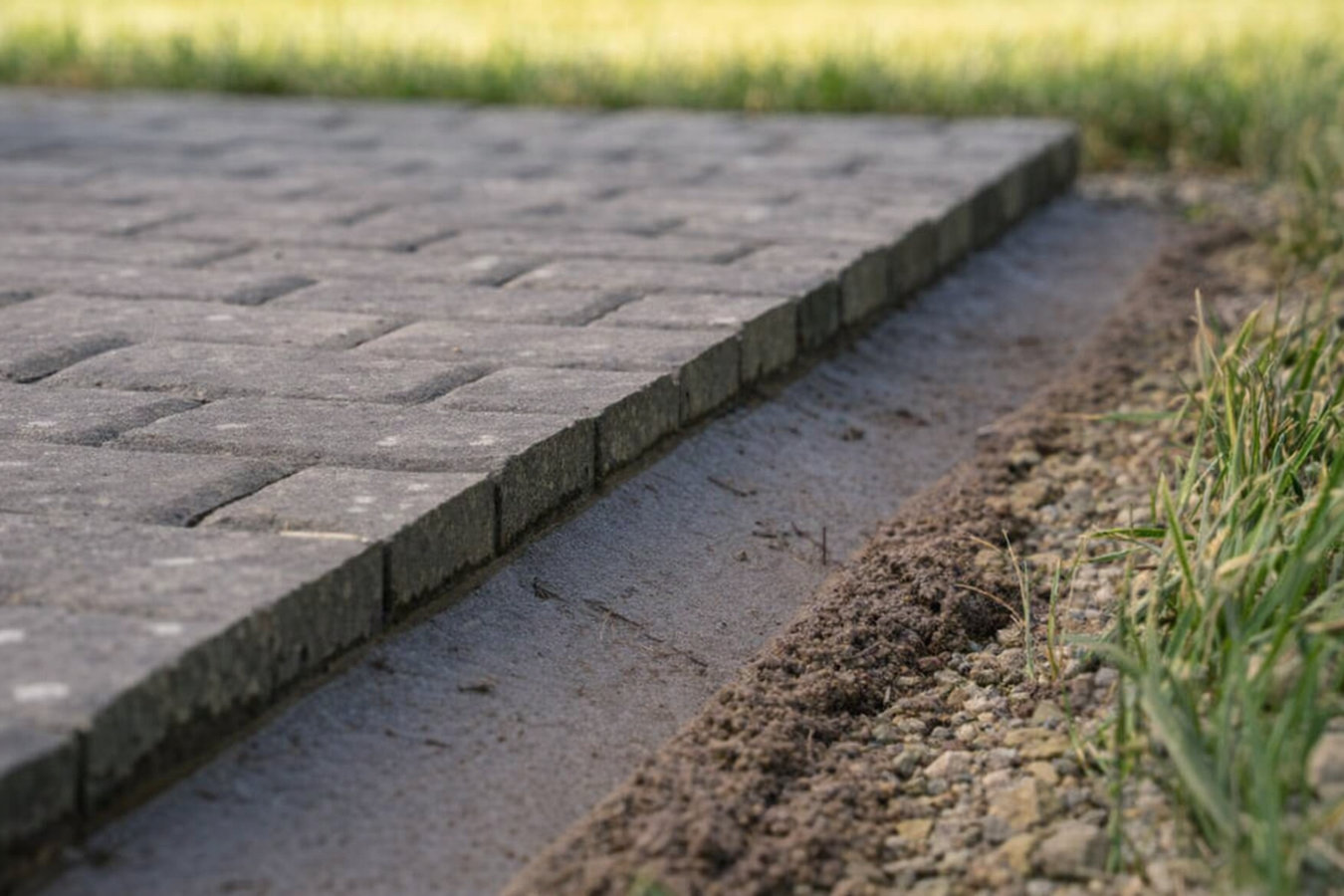
Cracked, tilting, or draining the wrong way? We build brick, stone, and paver walkways in Berkeley designed for local clay soils, tree roots, and hillside drainage - so the new one holds up where the old one failed.
Walkway construction in Berkeley removes the failing surface, prepares a compacted gravel base calibrated for local clay soils, and installs the new material - most standard residential paths are complete in one to two days of active work, though jobs on sloped lots or near protected trees take longer to plan and execute correctly.
Most of Berkeley's walkway problems come from what is underneath, not what is on top. The city's clay-heavy soils in the flatlands swell and shrink with the seasons, and the mature tree canopy means root pressure is a near-constant challenge in older neighborhoods like Elmwood, Claremont, and North Berkeley. A surface patch does not address either of those factors - a replacement that starts with proper base work does.
If your project also includes a driveway, our driveway pavers service can use matching materials so the two surfaces work together visually. For properties with sloped yards that need soil held in place alongside a new path, our brick wall installation team can add a low border or retaining edge as part of the same project.
If you can fit a finger into a crack in your walkway, patching will not hold long-term. Cracks that started small and have been widening over a few seasons signal that the base underneath has shifted - a problem no surface repair can fix permanently. In Berkeley's clay-heavy flatlands, this kind of progressive cracking is especially common and tends to accelerate once it starts.
A walkway that moves when you step on it is a trip hazard. Individual pavers or slabs that have lifted on one side - often pushed up by a tree root or soil movement - need to be addressed before someone gets hurt. This is one of the most common issues in older Berkeley neighborhoods where mature trees have had decades to work their way under paved surfaces.
If you notice standing water collecting close to your house after a storm, your walkway's drainage may be working against you. A walkway that has settled or tilted toward the house channels rainwater toward your foundation instead of away from it. In Berkeley's wet winters, that is a problem that compounds quickly and can lead to costly foundation work.
Concrete that is flaking on the surface, brick that has started to crumble at the edges, or mortar joints that have gone hollow are signs that the material has reached the end of its life. At this stage, patching costs money without solving the underlying problem. A full replacement is often the more economical choice over a five-year horizon.
We handle every part of the project - demolition and haul-away of the old surface, base excavation and compaction, drainage planning, and installation of the new material. We work with brick, natural stone, concrete pavers, and poured concrete, and we will walk you through the trade-offs of each before you commit. For homes with large trees nearby, we assess the root zone first and route the path to avoid future conflict. For sloped lots, we design the pitch and drainage before a single stone is set.
If your home needs more than a walkway, we often scope companion projects together to save mobilization time and cost. Our brick wall installation service pairs naturally with walkway work when a low border or property edge wall is part of the design. For homeowners extending their driveway approach to the front door, our driveway pavers team can use the same material so both surfaces match.
The most common job in Berkeley - replacing an old concrete or brick path from the sidewalk to the front door, with proper base prep for local soil conditions.
For homeowners who want to connect different parts of their property - from the driveway gate to the backyard, or through a planted garden - using natural stone or brick that fits the existing character.
Suited for Berkeley Hills lots where grade changes require a stepped design, retaining edges, or creative routing to move safely between levels without sending water toward the house.
Best for properties near large trees or in areas where the city has stormwater requirements - permeable pavers let water and air reach the roots while still providing a solid walking surface.
Berkeley's walkway challenges are more specific than most. The clay soils in the flatlands - from West Berkeley to the Elmwood and beyond - expand and contract dramatically with the seasons, which is the primary reason walkways crack and shift even when they were installed correctly. The city's protected tree canopy adds a second layer of complexity: Berkeley's Urban Forestry program limits what contractors can do near street tree root zones, which means path routing often has to work around trees rather than through them. And the hillside neighborhoods east of downtown introduce drainage requirements that simply do not exist on flat lots - water on a steep Berkeley lot moves fast in a winter storm, and a path that is not pitched correctly will channel it directly toward your foundation.
Homeowners in Oakland and Richmond face similar soil and drainage conditions - both cities share Berkeley's Bay Area clay-soil challenges and older housing stock. We work across all three cities regularly and apply the same base-preparation and drainage standards to every walkway project, regardless of which side of the city line it falls on.
We will ask you a few basic questions - how long the walkway is, what material you are thinking about, and whether there are any slopes or large trees nearby. We schedule an in-person visit and respond to all inquiries within 1 business day. We need to see the actual ground conditions before giving you a real number.
We walk the path, check the slope, note any root or drainage issues, and measure the area. You receive a written estimate within a few days that spells out what is included: demolition, base preparation, materials, and cleanup - no line items hidden in a flat total.
The crew breaks up and hauls away the old surface, then digs down several inches, adds compacted gravel, and levels everything carefully. This base work is what determines whether your new walkway stays flat for decades or starts shifting within a few years - it takes the most time and is the most important step.
New materials go in with the slope checked throughout so water drains the right direction. Most residential walkways are complete in a single day once this stage begins. Concrete needs 24 to 48 hours before foot traffic; pavers are typically walkable the same day. We walk the finished path with you before leaving.
We visit your property before quoting - checking the soil, the slope, the trees, and the drainage path. No pressure, no obligation, and we respond within 1 business day.
(341) 212-0768The flatlands of Berkeley sit on clay soils that swell when wet and shrink when dry - a seasonal cycle that pushes and pulls at anything built on top of them. We use a gravel base depth and compaction approach calibrated for these local conditions, so your walkway does not start cracking the first time a dry summer follows a wet winter.
Berkeley's Urban Forestry program protects many of the city's mature street trees, which means you cannot simply cut roots to make room for a new path. We assess root zones before we dig and design paths that give roots room to breathe - so your new walkway does not lift or crack within a few years the way the old one did.
A large portion of Berkeley sits on sloped terrain where water moves fast after a winter storm. Every walkway we install is designed with a deliberate pitch so rain runs away from your foundation, not toward it. Homeowners across the Berkeley Hills have seen first-hand what happens when drainage is an afterthought - we treat it as a first priority.
We serve all of Berkeley's neighborhoods plus Oakland, Richmond, Alameda, and nine other East Bay cities. Our crews work in Berkeley's hills and flatlands regularly and understand the specific soil, root, and drainage conditions that shape walkway work in this part of the Bay Area - not just in theory, but from jobs completed on streets like yours.
The Interlocking Concrete Pavement Institute installation standards we follow are the same ones that separate walkways lasting 30 years from those that start shifting in five - and we apply them on every Berkeley job regardless of budget.
For Berkeley permit and sidewalk encroachment information, visit the City of Berkeley Permit Service Center. For tree root zone guidance, see the City of Berkeley Urban Forestry program.
Add a brick border or low boundary wall alongside your new walkway to define the path and complement the masonry materials you choose.
Learn moreExtend the same paving material from your walkway to your driveway for a unified, cohesive look across your entire front property.
Learn moreContact us today and we will visit your property, assess the soil, slope, and trees, and give you a written estimate with no surprises and no obligation to sign anything on the spot.