Loading...
Serving Berkeley, CA and surrounding areas. (341) 212-0768
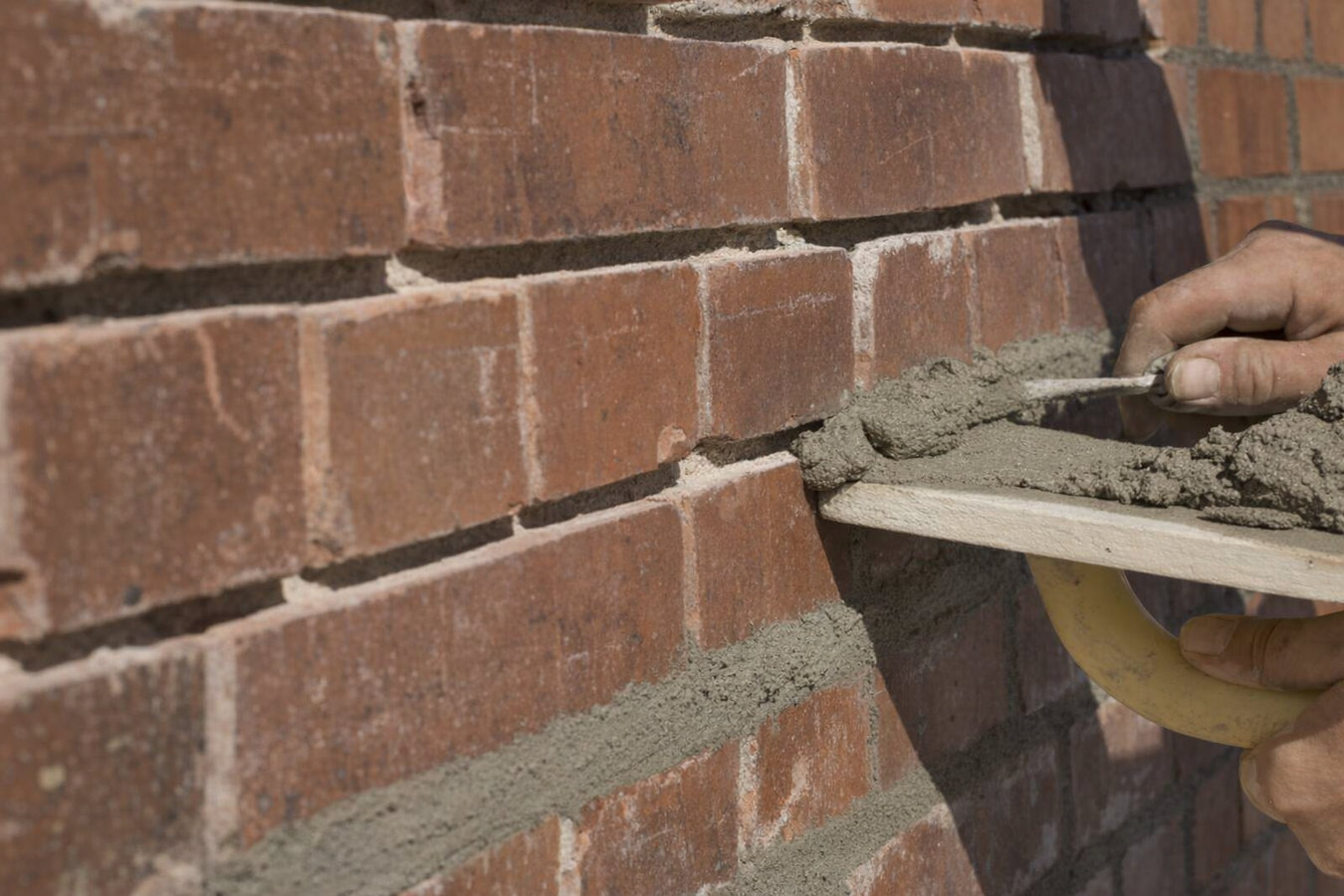
Failed mortar lets Berkeley winters in through your brick walls. We repoint with mortar matched to your home's age - so the repair lasts and your bricks stay intact.
Brick pointing in Berkeley involves removing worn or crumbling mortar from the joints between bricks to a depth of about three-quarters of an inch, then packing in fresh mortar that is matched to the home's original mix - a standard chimney or wall section takes one to two days, and the repair protects against the water intrusion that Berkeley's rainy winters drive through failed joints every season.
Berkeley is a city where brick pointing matters more than most homeowners expect. A large share of the city's brick homes were built between the 1890s and the 1940s using soft, lime-based mortar - and that mortar has a lifespan of 25 to 50 years under normal conditions. Berkeley's wet winters and dry summers accelerate that wear. If your home is in this age range and has never been professionally repointed, the joints are likely at or past the end of their service life, whether the damage is visible yet or not.
Brick pointing is closely related to our foundation repair work - water that gets through failed mortar joints long enough eventually reaches the foundation. For broader masonry issues beyond the mortar joints, our masonry restoration service covers the full assessment and repair of deteriorating brick and stone structures.
Stand back from your wall and look at the lines between the bricks. If those lines look hollow, crumbly, or like the material is pulling away from the brick edges, the mortar is failing. This is the most direct sign that repointing is overdue - and Berkeley's wet winters will make the problem worse each year you wait.
A chalky white residue on the face of your bricks - called efflorescence - means water is moving through the wall and carrying mineral salts to the surface. In Berkeley's rainy winters, this is a common early warning sign that moisture is getting in through deteriorated joints. It will not clear up on its own.
Most mortar joints have a lifespan of 25 to 50 years. If your Berkeley home is a pre-war or early postwar brick building and you have no record of masonry maintenance, there is a good chance the joints are at or past the end of their useful life - even if the damage is not obvious yet. The 1920s and 1930s were a major building era in Berkeley, and much of that masonry has never been touched.
If you notice damp spots, peeling paint, or a musty smell near an exterior brick wall or chimney, water may already be getting through failed mortar joints. This is a sign the problem has moved past cosmetic - and the sooner it is addressed, the less damage you will be dealing with. Water behind brick does not stay in the wall.
We handle brick pointing on exterior walls, chimneys, garden walls, retaining walls, and fireplace faces. The process starts with careful removal of the failed mortar to the correct depth - about three-quarters of an inch minimum for proper adhesion - using a small grinder or hand tools. Fresh mortar is then packed in and shaped to match the original joint profile. For Berkeley homes built before 1940, we assess the existing mortar type before mixing - using the wrong modern Portland cement mix on a lime-based wall is one of the most common and costly mistakes in masonry repair, and we do not make it.
We also address brick pointing as part of broader masonry work. Our foundation repair team works alongside our pointing crews when water infiltration has already reached the foundation level. For larger jobs that include cracked or damaged bricks alongside deteriorated mortar, our masonry restoration service covers the full scope of brick and stone repair in a single coordinated project.
For Berkeley homeowners with aging chimneys where mortar joints have cracked or eroded - especially important before using the fireplace after a wet season or a felt earthquake.
For homes where the mortar on an exterior wall is crumbling, receding, or showing efflorescence - addressed before the next rainy season drives water further into the wall.
Specifically for Berkeley homes built in the 1890s through 1940s - requires a mortar mix analysis and compatibility test before any material is applied, to avoid cracking the original bricks.
For homeowners who felt a notable tremor and want a professional to walk their home's exterior masonry and identify new hairline cracks in joints before water gets in.
Two things make Berkeley a more demanding brick pointing market than most. First, the age of the housing stock. Berkeley's Northside, Claremont, and Elmwood neighborhoods have a concentration of brick homes built between the 1890s and the 1940s - many approaching or past 100 years old. The 1923 Berkeley fire destroyed more than 600 homes in the hills and led to significant brick rebuilding in the following decade. Those rebuilt structures are now approaching the century mark, and a large share have mortar that has never been professionally replaced. Working on a century-old wall requires mortar analysis before a mason touches a single joint - the wrong mix causes the bricks themselves to crack, creating a far more expensive problem than the one you were trying to solve. Second, the Hayward Fault runs directly through the Berkeley Hills, and even moderate earthquakes open hairline cracks in mortar joints that were previously sound. After a felt tremor, a slow walk around your home's exterior and an inspection of chimney mortar lines is worth the 20 minutes it takes.
Homeowners in Richmond and Oakland face similar conditions - both cities have substantial pre-war brick housing stock and the same wet-winter cycle that degrades mortar joints over time. We work across all three cities and apply the same mortar-matched, age-aware approach on every job.
A good mason needs to see the work in person before giving you a price - photos can help, but they rarely tell the whole story. We schedule an on-site visit within a few days of your call. Come prepared with any questions about your home's age and history.
We walk the area and look closely at the mortar joints - checking how deep the damage goes, whether any bricks are cracked or loose, and what type of mortar your home was built with. For older Berkeley homes, the mortar analysis shapes everything. You receive a written estimate covering scope, cost, and timeline.
The crew removes the old mortar to the correct depth using a small grinder or hand tools - this part is noisy and generates fine dust. Fresh mortar is packed into the joints in layers and shaped to match the original profile. Close windows and doors on the worked side to limit dust inside.
We clean mortar residue off the brick faces and remove all debris. We walk you through the finished work before leaving - ask about anything that does not look right. Fresh mortar needs at least 24 to 48 hours to harden, longer in Berkeley's cooler foggy conditions. Avoid washing down the wall or letting sprinklers hit it during that window.
We visit your property, assess the mortar condition, and give you a clear written estimate before any work begins. No obligation after the visit, and we respond within 1 business day.
(341) 212-0768Berkeley has a large share of pre-war homes built with soft lime-based mortar, and using the wrong modern mix on those walls causes bricks to crack over time. We assess the existing mortar before any work begins and match the new material to what your home was built with - so the repair works with the building, not against it.
We have worked on homes throughout Berkeley's older neighborhoods - including Northside, Claremont, and Elmwood - where brick masonry from the 1920s and 1930s is common. That experience means we know what to expect when we open up joints that have not been touched in decades, and we know how to finish them so the repair blends in.
Berkeley's rainy season runs November through March, and fresh mortar needs at least 24 to 48 hours dry before it gets wet. We schedule pointing work in the late summer and early fall window so new mortar reaches full strength before the rains arrive - protecting your home through the season that puts the most stress on masonry.
We work throughout Berkeley and across 12 East Bay cities including Oakland and Richmond. Our crews know the older masonry character of each city's neighborhoods - we do not treat every job as a generic repair without considering what the original work was meant to look like.
We follow the technical standards of the Brick Industry Association on mortar selection and repointing depth - details that determine whether new joints last 30 years or start failing in five. You can verify our California masonry contractor license at the California Contractors State License Board.
For questions about Berkeley permit requirements for masonry work, contact the City of Berkeley Building and Safety Division.
When water gets through failing mortar joints for long enough, it reaches the foundation - address both together before the damage compounds.
Learn moreFor Berkeley properties where brick or stone has gone beyond repointing and needs a broader assessment and repair of the full masonry system.
Learn moreReach out today and we will assess your mortar, match the mix to your home, and give you a written estimate with a timeline that gets the work done in the dry window.