Loading...
Serving Berkeley, CA and surrounding areas. (341) 212-0768
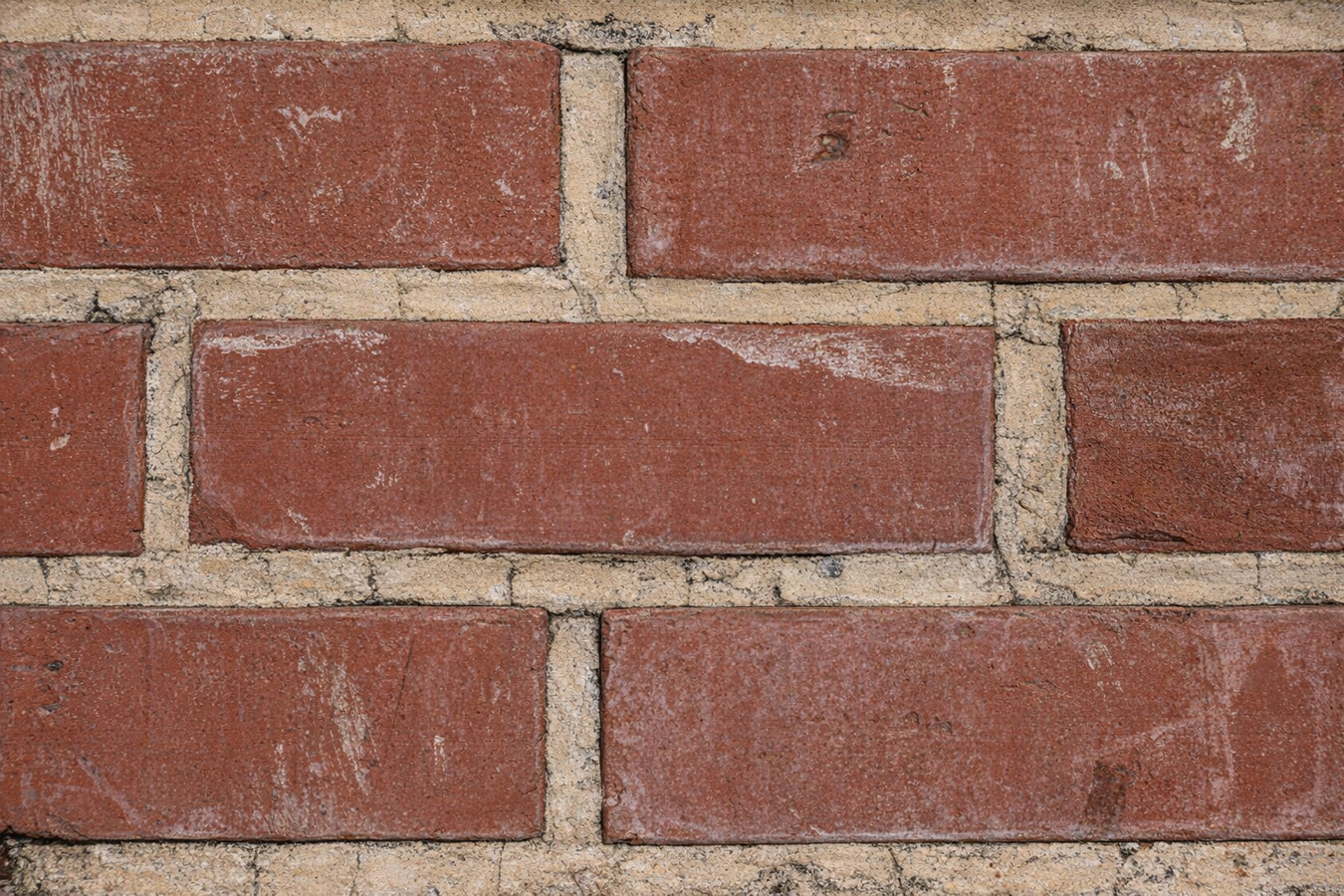
Crumbling mortar lets water into your walls every winter. We remove the damaged material, pack in a fresh mix matched to your home, and leave the joints clean, solid, and weather-tight.
Tuckpointing in Berkeley removes deteriorated mortar from the joints between bricks or stones and replaces it with fresh material matched to your home - most residential jobs take one to three days and seal the wall before the next rainy season.
The mortar joints between your bricks are softer than the bricks themselves by design - they absorb moisture and movement so the bricks do not crack. When those joints break down, water finds its way in with every storm. In Berkeley, where the rainy season runs roughly November through April and the Hayward Fault adds seismic stress, that combination accelerates mortar deterioration faster than homeowners in most parts of the country experience.
If your chimney has mortar joint issues, our brick repair service addresses both joint and brick damage together. For chimneys with more involved structural concerns, see our brick pointing page for targeted joint work on smaller or more accessible areas.
Press your thumb firmly against a mortar joint on your brick wall. If it crumbles, flakes, or feels soft and sandy instead of hard and solid, the mortar has broken down. Healthy mortar should feel like concrete - firm and unyielding.
Stand back and look at your brick or stone walls. If you can see dark gaps or holes where mortar has fallen out entirely, water is already entering the wall. In Berkeley's rainy winters, those gaps act like funnels - every storm pushes more moisture deeper into the structure.
Chalky white streaks on brick walls after rain are called efflorescence - water moving through the wall and carrying dissolved salts to the surface. It signals moisture getting in through failing mortar joints, and it is especially common on west-facing walls in Berkeley's foggier neighborhoods.
Berkeley sits near the Hayward Fault, and even a moderate tremor can open hairline cracks in mortar joints that were already weakening. If you noticed new cracks in your brick chimney, foundation, or exterior walls after a recent quake, have a masonry contractor assess them before the next rainy season.
Tuckpointing covers the full process of joint restoration - cutting out deteriorated mortar to the correct depth, preparing the joint surface, packing in fresh mortar, and profiling the joint to match the surrounding work. The depth matters: going too shallow means the new mortar will not bond properly and will fail again within a few years. We use an angle grinder or hand chisel to remove material to at least three-quarters of an inch before packing in the new mix.
For homes where the bricks themselves are also cracked, spalling, or soft, we coordinate our tuckpointing scope with our brick repair work so both the joints and the brick faces are addressed in a single visit. For walls where only specific short sections need attention - rather than a full repoint - our brick pointing service handles targeted mortar work with the same material-matching standards.
Best for older Berkeley homes where mortar has deteriorated across a large portion of the surface.
For brick chimneys with crumbling mortar - protects the structure above the roofline before winter.
For walls where specific high-wear areas need attention without a full repoint of the entire surface.
For pre-1940 Berkeley homes where using the wrong mortar mix would damage the original bricks.
Berkeley averages around 25 inches of rain per year, nearly all of it falling between November and April. That concentrated wet season pushes water into any crack or gap in mortar joints repeatedly, and when overnight temperatures drop into the 40s, that moisture expands and widens the damage. Homeowners who put off tuckpointing through the summer often find the problem is noticeably worse by the following spring. West-facing walls in neighborhoods like Berkeley near the Bay take additional wear from marine fog and salt air, which accelerates mortar breakdown on the most exposed surfaces.
The age of the housing stock adds another layer of complexity. A large share of homes in Berkeley were built between 1900 and 1945 using lime-based mortar that is softer and more flexible than modern mixes. Using the wrong product on those older walls is one of the most common mistakes in the industry - it forces stress into the bricks instead of absorbing it, and can cause cracking within a few years. Homeowners in nearby Oakland face similar pre-war housing challenges, and we apply the same material-matching discipline on every job regardless of which side of the city line it falls on. For guidance on historic masonry repair standards, the National Park Service Preservation Briefs are the authoritative resource.
You tell us where you see crumbling or missing mortar and how old the structure is. We respond within 1 business day to schedule an on-site visit.
We walk the area, check how deep the deterioration goes, and assess what mortar type matches your home. If your property is in a Berkeley historic district, we flag any requirements that apply. You receive a written estimate before any work is scheduled.
The crew grinds or chisels out old mortar to the correct depth, packs in fresh mortar matched to your home, and tools the joints to a clean profile. Expect grinding noise and some dust. Most residential jobs wrap up in one to three days.
We walk the finished work with you before leaving, point out what was repaired, and explain the 28-day curing window. We let you know if anything specific - like avoiding power-washing - applies to your project.
No obligation. We assess your mortar, explain what needs to be done, and give you a written quote. Replies within 1 business day.
(341) 212-0768A large share of Berkeley homes were built between 1900 and 1945 using softer, lime-based mortar. We assess the existing mortar composition and match the new mix to it - so the repair works with your walls instead of cracking the bricks over time.
We have worked on homes throughout Berkeley - from Craftsman bungalows in the Elmwood to hillside properties above Tilden Park. We know which microclimates see the most mortar wear and which historic district rules apply to each neighborhood.
Seismic activity gradually loosens mortar joints in ways homeowners often do not notice until damage is visible. We check for movement-related deterioration on every assessment, not just the spots that look obviously worn. The USGS tracks Hayward Fault activity at usgs.gov.
We hold a current California contractor license verifiable on the CSLB website. For tuckpointing work that crosses into structural repair or involves a landmark property, we handle the permit coordination with Berkeley's Building and Safety Division.
Matching mortar correctly and understanding how Berkeley buildings age sets our tuckpointing work apart from a generic patch job. Every assessment starts with the materials, not just the visible damage.
When mortar deterioration has also damaged the bricks themselves, we replace cracked or spalling bricks alongside the repointing work.
Learn moreTargeted mortar joint finishing for smaller sections or cosmetic touch-ups where full tuckpointing is more than the job requires.
Learn moreEvery wet season without repaired mortar joints means more water working deeper into your walls - contact us now and we will assess the damage and give you a clear plan.