Loading...
Serving Berkeley, CA and surrounding areas. (341) 212-0768
BMK Berkeley Masonry serves Santa Rosa, CA with tuckpointing, chimney repair, and foundation work. We have worked throughout Sonoma County since 2023 and understand what the city's clay soils, wet winters, and hot dry summers do to mid-century masonry on homes from the 1950s through the 1970s.
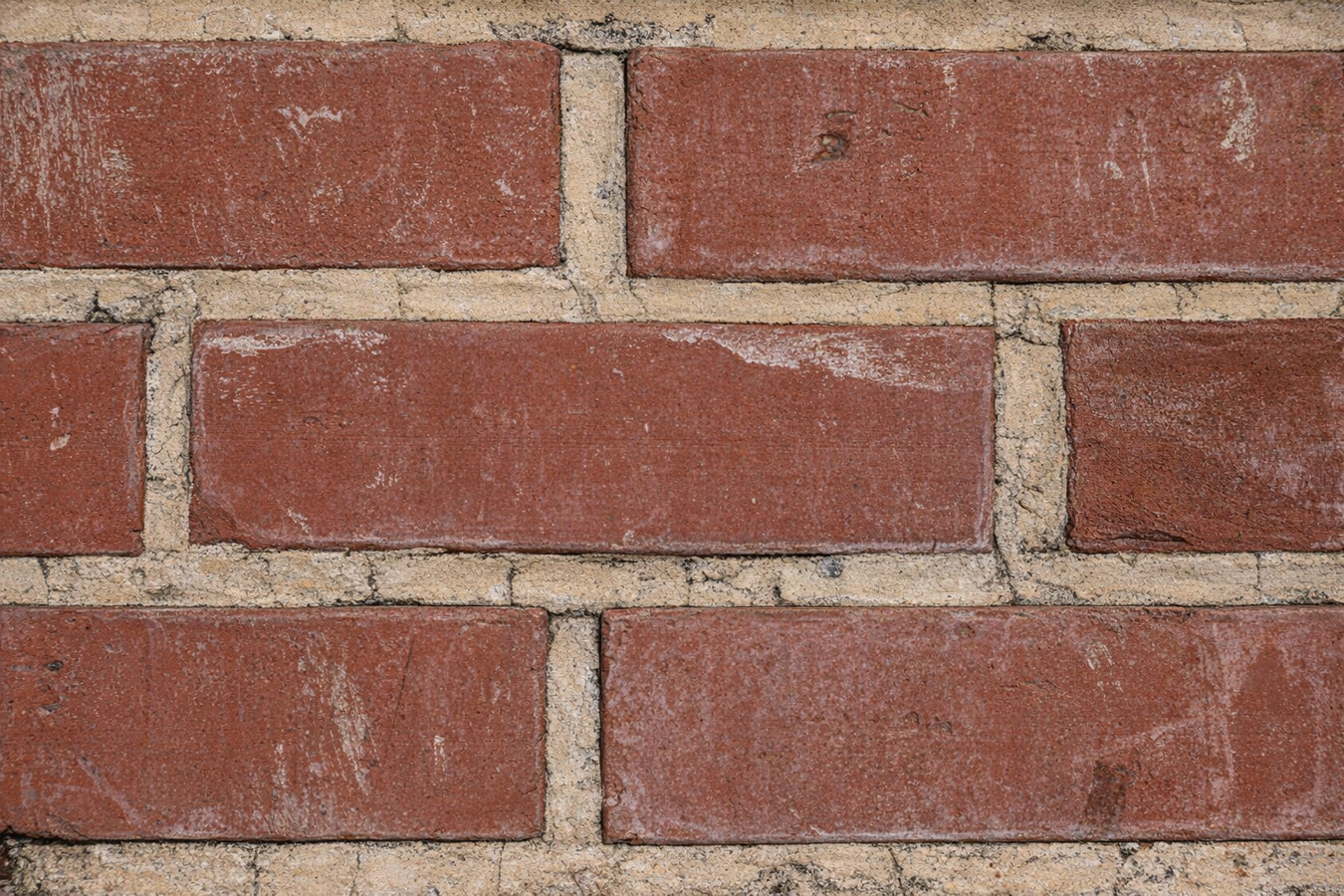
A large share of Santa Rosa homes were built between 1950 and 1980, and mortar from that era has typically been through 50 to 70 wet-dry cycles. At that point the joints are usually recessed, crumbly, or missing in sections - and water is already working its way in before the next rainy season. Our tuckpointing service removes the failed mortar to the correct depth and packs in a matched mix, restoring the joint without damaging the original brick.
Santa Rosa's 30 inches of annual rainfall lands almost entirely between November and April, and every chimney crown or mortar joint that has not been maintained becomes a water entry point during those months. Postwar homes throughout the city have original brick chimneys that have never been repointed or had their crowns replaced. Catching eroded chimney joints and failing crowns before the rainy season is significantly cheaper than dealing with the interior water damage that follows a wet winter of unchecked infiltration.
Much of Santa Rosa sits on expansive clay soil that swells during wet winters and shrinks through the dry summer months. That seasonal movement is the main reason foundations crack, stem walls shift, and concrete flatwork heaves on properties throughout the city. Homes rebuilt after the 2017 Tubbs Fire in Coffey Park and Fountaingrove may also have soil or drainage conditions from the rebuild process that need attention. We assess the cause of any foundation movement before recommending a repair, because patching over a soil problem that has not been addressed will fail again.
The Victorian and Craftsman homes along McDonald Avenue and in the Railroad Square Historic District have original brick details that are now 100 to 130 years old. Work on these surfaces requires matching the original mortar mix carefully - using a modern, harder mix on pre-war brickwork can crack the original bricks and cause irreversible damage. Restoration on historic Santa Rosa homes means assessing the existing mortar chemistry first, then matching the replacement to suit the age and softness of the original materials.
Brick pointing is the most common maintenance call we receive from Santa Rosa homeowners with postwar homes. Mortar joints typically last 25 to 50 years, which means homes built in the 1960s and 1970s are right at the edge of or past that window. When pointing fails, the repair is straightforward if caught early. Waiting another season or two in Santa Rosa's wet climate means water has been working behind the joint for longer, and the repair scope expands.
Santa Rosa properties in hillside neighborhoods, particularly in Fountaingrove and areas along the hills east of Highway 101, often have sloped lots where retaining walls hold back soil and create usable yard space. Clay soil puts substantial pressure on retaining walls every wet season as it expands. Walls built without adequate drainage detailing behind them accumulate hydrostatic pressure over time and eventually crack or lean. We build and replace retaining walls with reinforced cores and drainage designed for Santa Rosa's soil conditions.
Santa Rosa's climate runs at two extremes, and that pattern is hard on masonry. Winters bring concentrated rainfall - around 30 inches per year, nearly all of it from November through April - that finds every eroded mortar joint and unsealed crack. Then the summer turns hot and dry, with temperatures regularly reaching the 90s and the clay soil contracting as it dries out. That alternating wet-expand and dry-shrink cycle stresses any masonry sitting on that clay, from foundation stem walls to chimney tops. The combination of a wet winter followed immediately by a hot, dry summer is more damaging to mortar than either condition would be alone.
The city's housing stock adds another layer. A large share of Santa Rosa homes were built between 1950 and 1980 during the city's postwar growth period, which means most of the masonry in residential neighborhoods is now 50 to 70 years old. Mortar from that era has never been replaced in many cases. The 2017 Tubbs Fire created a patchwork of newly rebuilt homes in Coffey Park and Fountaingrove sitting alongside older homes that were spared - so the property types and masonry conditions across the city vary more than in most places. A contractor who knows Santa Rosa understands that what a rebuilt home in Coffey Park needs is often completely different from what a Victorian on McDonald Avenue requires.
BMK Berkeley Masonry has served Santa Rosa homeowners since 2023, pulling permits through the City of Santa Rosa Permit Center for structural masonry projects including chimney rebuilds and retaining wall construction. We know which repair types move forward without permit review and which ones - like a retaining wall over 4 feet or structural chimney work - require city approval and sometimes engineered drawings before the work can start.
Santa Rosa is not one neighborhood. The Victorian homes along McDonald Avenue and the historic commercial buildings near Railroad Square have original masonry that requires matching older, softer mortar mixes - using modern Portland cement on those surfaces causes cracking. The tract homes in the central and outer neighborhoods need standard repointing and chimney maintenance. Properties in the hills around Fountaingrove have hillside drainage and soil movement considerations that flat-lot homes do not. We work across all of these areas, and the approach we bring to each one reflects the actual conditions there.
We also serve homeowners in Richmond to the south, where the housing stock and clay soil conditions share some similarities with Santa Rosa's older neighborhoods. If your project crosses into neighboring jurisdictions or if you are managing properties in multiple areas, we can coordinate across the same crew.
Reach us by phone or through the contact form. We respond to all Santa Rosa inquiries within 1 business day and schedule an on-site visit at a time that works for you. You do not need to know the technical name for what needs fixing - a photo and a description of what you are seeing is enough to start.
We walk the property, assess the masonry condition, and identify the root cause - not just the visible symptom. For tuckpointing, we check the mortar hardness to make sure the new mix suits your home's age and brick type. The written estimate you receive covers scope, materials, and timeline before any work starts. There is no cost anxiety to navigate here - pricing is clear upfront.
Most Santa Rosa tuckpointing and chimney repair jobs run one to three days. You do not need to be home during the work, but you should be available for the walkthrough when the crew wraps up. We schedule around Santa Rosa's rainy season where possible, because fresh mortar needs at least 24 to 48 hours without rain to cure correctly.
When the work is complete, we walk the finished area with you so you can confirm the joints look right and the site is clean. If anything needs adjustment, we handle it before we leave. For larger projects, we confirm the curing timeline and what to watch for during the first rainy season after the repair.
We serve Santa Rosa homeowners with honest assessments, written estimates, and masonry work built to handle the clay soil and wet winters this area brings. Response within 1 business day.
(341) 212-0768Santa Rosa is the largest city in Sonoma County, with a population of roughly 178,000 people and about 48 percent of housing units owner-occupied. The city's neighborhoods span a wide range of housing types and ages. McDonald Avenue is one of the most recognized streets, lined with large Victorian and Craftsman homes built in the late 1800s and early 1900s. The McDonald Avenue Historic District is a designated local landmark, and the surrounding Railroad Square area adds more historic commercial and residential stock from the same era. The central and outer neighborhoods are mostly postwar tract homes from the 1950s through the 1970s, while Coffey Park and Fountaingrove are largely rebuilt communities following the 2017 Tubbs Fire. The Charles M. Schulz Museum near the Hardman Avenue area is one of the city's most recognized cultural landmarks.
The city's residential density is highest near downtown and along major corridors like Mendocino Avenue and Santa Rosa Avenue, while the outer edges are single-family neighborhoods on standard suburban lots. Hillside areas to the east, including Fountaingrove, have sloped properties with retaining walls and drainage systems that the flat valley floor neighborhoods do not share. We serve homeowners throughout all of these areas, from the historic streets near the city center to the newer subdivisions on the outer edges. Homeowners in Vallejo to the south also share some of the same mid-century housing stock and clay soil challenges, and we serve that community as well.
Expert diagnosis and repair of foundation cracks, settling, and structural damage.
Learn moreFull-service chimney repair including spalling brick, mortar joints, and crown work.
Learn morePrecision removal and replacement of deteriorated mortar joints to restore masonry integrity.
Learn moreReplacement of cracked, spalled, or missing bricks to restore strength and appearance.
Learn moreCustom paver driveway installation using brick, concrete, or natural stone.
Learn moreStructurally engineered retaining walls built to control erosion and grade changes.
Learn moreComprehensive restoration of aged or damaged masonry to its original character.
Learn moreNew masonry fireplace construction and surround installation for indoor and outdoor spaces.
Learn moreNatural and manufactured stone veneer application for walls, facades, and features.
Learn moreDurable concrete block (CMU) wall construction for residential and commercial projects.
Learn moreConcrete block foundation wall installation built to code for lasting structural support.
Learn moreCustom masonry outdoor kitchens including counters, pizza ovens, and built-in grills.
Learn moreAttractive and durable walkway construction using brick, stone, or concrete pavers.
Learn moreNew brick wall construction for boundary, garden, privacy, and decorative applications.
Learn moreHand-laid natural stone masonry for walls, steps, patios, and architectural features.
Learn moreTargeted repointing of deteriorated mortar joints to extend brick wall lifespan.
Learn moreServing these cities and communities.
From tuckpointing mid-century brick to chimney repair ahead of the rainy season, we bring the right masonry skills to Santa Rosa properties. Call or submit a request today for a written estimate within 1 business day.