Tuckpointing & Repointing Services
Professional mortar repair protecting Berkeley masonry from water damage and deterioration.
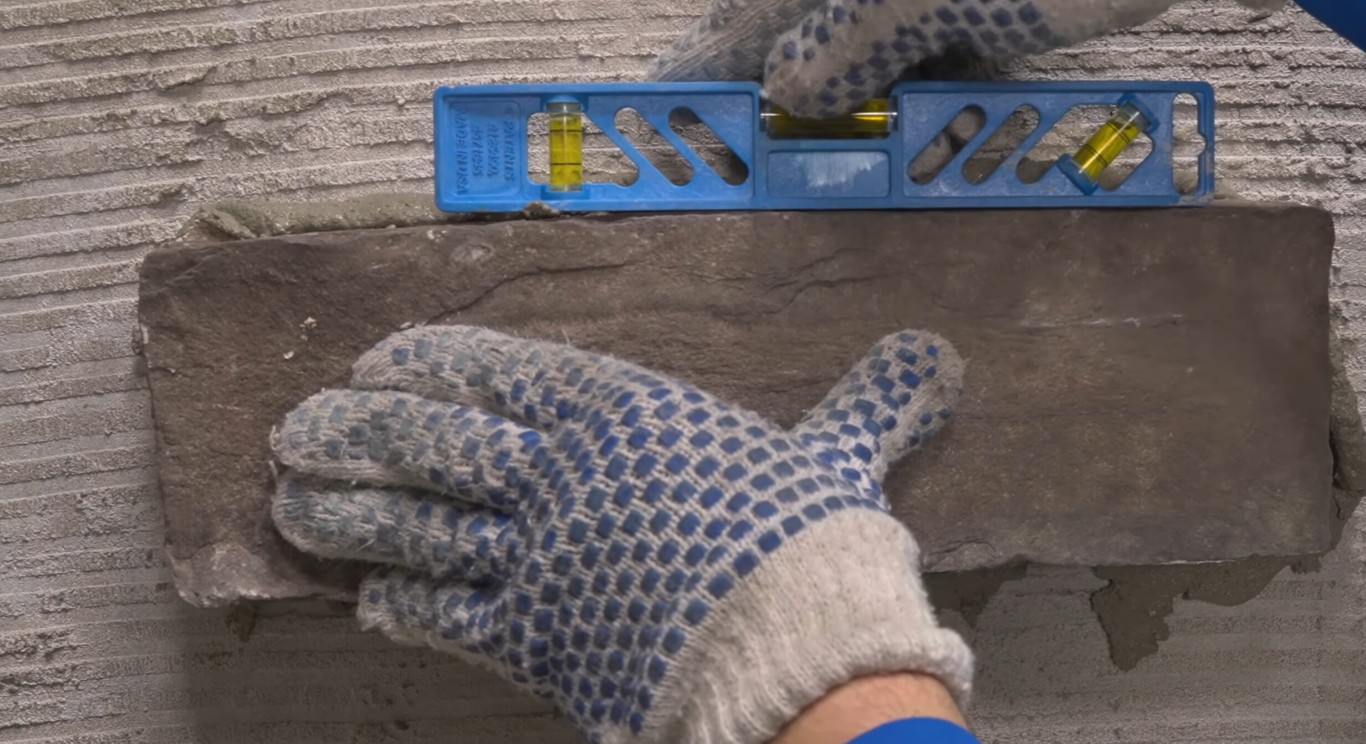
Most people focus on the bricks when they look at masonry, but it's actually the mortar joints that do most of the work. Mortar is softer than brick by design, which means it takes the brunt of weather damage and movement. Over time, mortar deteriorates, cracks, and falls out. When that happens, water gets behind your masonry and causes serious problems that only get worse and more expensive to fix.
Tuckpointing and repointing are essential maintenance services that remove old, damaged mortar and replace it with fresh material. This isn't just cosmetic work. Properly maintained mortar joints protect your masonry structure, prevent water intrusion, and extend the life of your brickwork by decades. If your mortar joints are crumbling or recessed more than a quarter inch, it's time to call us.
Tuckpointing vs. Repointing: What's the Difference?
People often use these terms interchangeably, and while they're related, there's actually a distinction worth understanding. Both involve repairing mortar joints, but the techniques and purposes differ slightly.
Repointing Explained
Repointing is the process of removing deteriorated mortar from joints and replacing it with new mortar that matches the color and strength of the original. This is the standard repair method for most masonry maintenance. We grind or chisel out damaged mortar to a uniform depth, clean the joints thoroughly, then pack in fresh mortar mixed to match your existing work. The goal is structural integrity and weather protection.
Tuckpointing Technique
Tuckpointing is a decorative technique that creates the illusion of very fine, precise mortar joints. After filling joints with mortar that matches the brick color, we cut a thin groove down the center and fill it with contrasting mortar (usually white or light colored). This creates crisp, uniform lines that make old masonry look meticulously maintained. It's more common on historic buildings where appearance is as important as function.
- Crumbling mortar joints allowing water penetration into walls
- Recessed mortar creating gaps between bricks and stone
- Cracks in mortar joints from settling or movement
- Loose bricks caused by complete mortar failure
- White efflorescence indicating moisture problems
Why Mortar Deteriorates in Berkeley
Berkeley's climate is actually tough on masonry. We get enough rain to cause water problems, but not enough consistent moisture to keep everything evenly hydrated. This wet-dry cycling, combined with temperature changes and seismic activity, takes a toll on mortar over time.
Water Damage and Freeze-Thaw
When water gets into mortar joints and then freezes, it expands and creates tiny cracks. These cracks let in more water, which causes more expansion, which creates bigger cracks. It's a cycle that accelerates mortar deterioration. Even though Berkeley doesn't get hard freezes often, we get enough cold nights that this process happens gradually over the years. The result is crumbling, powdery mortar that falls out when you touch it.
Wrong Mortar Mix
One of the biggest problems we see is previous repairs done with the wrong type of mortar. Modern Portland cement mortar is much harder than historic lime-based mortars. When you put hard mortar between soft old bricks, the mortar doesn't flex and the bricks take all the stress. This causes the bricks themselves to crack and spall. We always match mortar strength and composition to your existing masonry, which means your original bricks stay protected.
Natural Aging Process
Even under perfect conditions, mortar has a lifespan. Most mortar joints need repointing every 25 to 30 years as part of normal maintenance. Older buildings may need attention sooner, especially if they've never been repointed. Think of it like painting your house. You don't wait until the wood starts rotting. Regular masonry maintenance prevents expensive damage down the road.
Our Professional Tuckpointing Process
Quality tuckpointing requires skill, the right materials, and proper technique. Rushing the job or using incorrect materials creates problems that show up in just a few years. Here's how we do it right.
First, we carefully remove deteriorated mortar using specialized grinders and hand tools. We go deep enough to reach sound mortar (usually three-quarters to one inch), but not so deep that we destabilize the bricks. This is delicate work that requires experience to avoid damaging the masonry. We clean out all dust and debris, then pre-wet the joints so the new mortar bonds properly.
Mortar mixing is where our expertise really shows. We analyze your existing mortar to determine the correct mix ratio, sand type, and any additives needed. For historic properties, we often use lime-based mortars that match the original composition. The color has to be right too, which sometimes requires custom tinting. We mix small batches to maintain consistency throughout the job.
Packing new mortar into joints takes patience. We work in layers, allowing each to set up before adding more. The final tooling shapes the joint profile to match your existing work and creates proper water-shedding angles. We keep the fresh mortar damp during curing to prevent cracking. Our work might also complement chimney repairs if your project requires multiple masonry services.
The whole process can't be rushed. Proper tuckpointing takes time, and weather conditions have to be right. We won't work in freezing temperatures or extreme heat because it affects how mortar cures. When we're done, your masonry will be weathertight, structurally sound, and protected for decades to come. Call us at (341) 212-0768 to schedule your free inspection and get an accurate quote for your tuckpointing needs.