
Retaining Wall Design & Installation
Custom retaining wall solutions for Berkeley hillside properties and sloped yards.
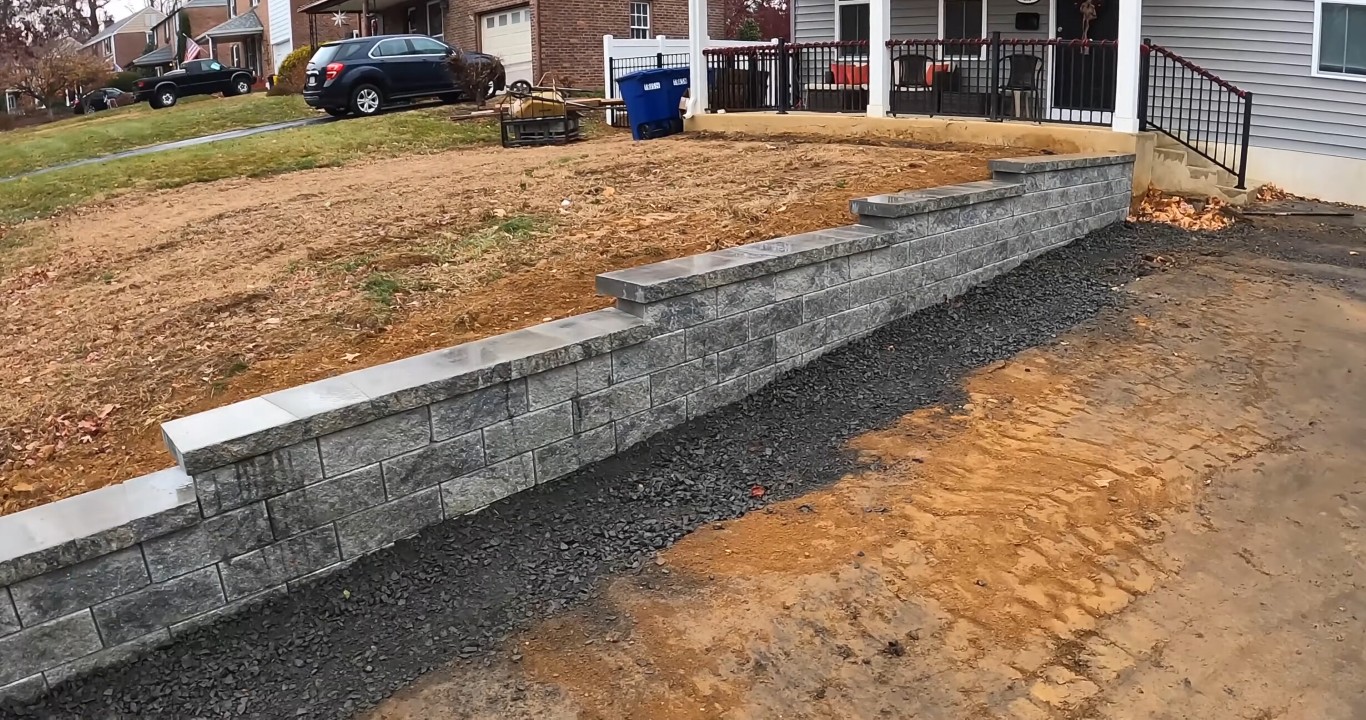
Berkeley's hillside terrain creates beautiful views and unique properties, but it also presents real challenges when it comes to managing soil and slope stability. A properly designed retaining wall doesn't just hold back dirt. It protects your foundation, prevents erosion, creates usable outdoor space, and can transform a problematic slope into a stunning landscape feature.
We've been designing and building retaining walls throughout Berkeley for over 20 years. From small garden walls to major structural installations requiring engineering, we understand the soil conditions, drainage requirements, and building codes specific to this area. Whether you're dealing with a failing old wall or planning a new landscape project, we'll create a solution that's both functional and attractive.
Signs Your Retaining Wall Is Failing
Retaining wall failure can be dangerous and expensive. The good news is that walls usually give you warning signs before they completely fail. If you notice any of these issues, call us for an inspection right away.
Bulging or Leaning
A retaining wall should stand plumb or lean slightly back into the slope. If you see any outward bulge or lean, that means the wall is losing its battle with soil pressure. This often happens when drainage fails and water builds up behind the wall. The weight of saturated soil is enormous, and even well-built walls can't handle it indefinitely. Once a wall starts moving, it will continue to fail unless you intervene.
Cracks and Separation
Cracks in concrete or mortar joints, especially horizontal cracks, indicate serious stress. Vertical cracks might be less concerning depending on their size and location, but they still need evaluation. If sections of the wall are separating or if you see gaps opening up, the wall structure is compromised. For brick retaining walls, watch for bricks working loose or mortar falling out.
- Visible outward lean or bulging indicating structural failure
- Horizontal or stair-step cracks showing excessive pressure
- Soil erosion around or under the wall base
- Water pooling behind the wall or drainage issues
- Tilting fence posts or structures attached to the wall
- Gaps opening between wall sections or at connections
Designing the Right Retaining Wall
Not all retaining walls are created equal. The right design depends on your specific site conditions, the height you need to retain, soil type, drainage patterns, and intended use of the space. We start every project with a thorough site evaluation.
Height and Engineering Requirements
In Berkeley, retaining walls over four feet tall typically require engineering calculations and building permits. Even shorter walls may need permits depending on location and load. We work with licensed structural engineers when needed and handle all permit applications. The engineering ensures your wall can handle soil pressure, seismic loads, and any additional weight from structures, driveways, or slopes above the wall.
Material Selection
We build retaining walls using several materials depending on your needs and preferences. Natural stone creates beautiful, rustic walls that blend with Berkeley's landscape. Concrete block systems offer strength and design flexibility at reasonable cost. Poured concrete provides maximum structural capacity for tall walls or heavy loads. Brick retaining walls add traditional elegance to historic properties. Each material has advantages, and we'll help you choose what works best for your situation and budget.
Drainage Is Critical
The number one cause of retaining wall failure is poor drainage. Water weighs about 60 pounds per cubic foot, so saturated soil behind your wall creates enormous pressure. Every retaining wall we build includes proper drainage systems. This typically means gravel backfill, perforated drain pipes, and weep holes or drainage outlets. We also evaluate overall site drainage and make sure water from upslope areas is directed away from the wall. Good drainage can make the difference between a wall that lasts 50 years and one that fails in 5.
Our Retaining Wall Installation Process
Building a retaining wall is serious construction work that requires proper equipment, experienced crews, and attention to detail at every step. Here's what you can expect when you work with us.
We start with site preparation and excavation. The foundation is crucial, so we dig down to stable soil and create a level, compacted base. For taller walls, we pour reinforced concrete footings. The base course must be perfectly level and properly embedded because everything else builds from there. We use laser levels and take our time to get it right.
As we build the wall up, we install drainage systems and backfill with proper materials. Each course or layer is checked for level and proper setback. For engineered walls, we place reinforcement exactly as specified. We compact backfill in lifts to prevent settling. The top course gets capped or finished appropriately depending on the wall type.
Final grading and landscaping ties everything together. We make sure water drains away from the wall at the top and that the area is stabilized to prevent erosion. If you need stone veneer or facing work, we coordinate that too. The whole project is inspected to ensure it meets all codes and specifications.
Retaining wall projects take time and create temporary disruption to your property. We work as efficiently as possible while never cutting corners on quality. Most residential retaining walls take one to three weeks to complete depending on size and complexity. We keep you informed throughout the process and don't consider the job done until you're completely satisfied. Call us at (341) 212-0768 to discuss your retaining wall project and get a detailed proposal.